Every language. One network.
A bigger internet
Plaza is a multilingual social network built around the world's languages; all of them. Other apps typically have a default language with translations bolted on, but on Plaza every language is treated as equal infrastructure: tagged precisely, surfaced fairly, connected through their real linguistic, geographic, and cultural relationships.

Currently in private alpha on iOS and Android
Sign up to follow Plaza as it grows
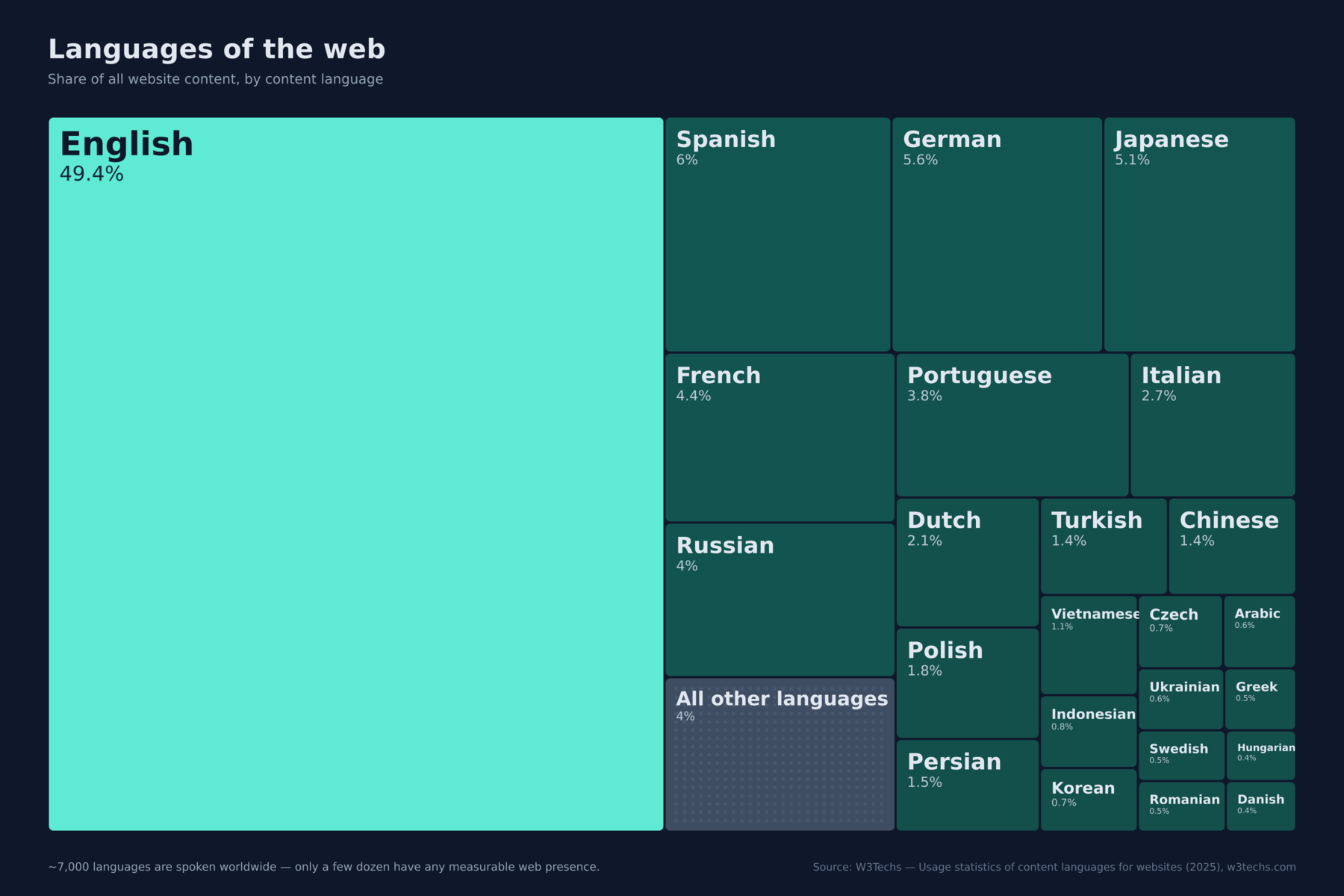
Most of the internet has a default language.
A handful of dominant languages run the visible internet. Users of everything else, ranging from large regional languages to indigenous languages, from ancient languages to constructed languages, even most sign languages, are pushed towards using English on digital platforms. The result is a flattened internet which pretends linguistic diversity is a localization problem to be solved instead of the actual shape of how humans communicate.
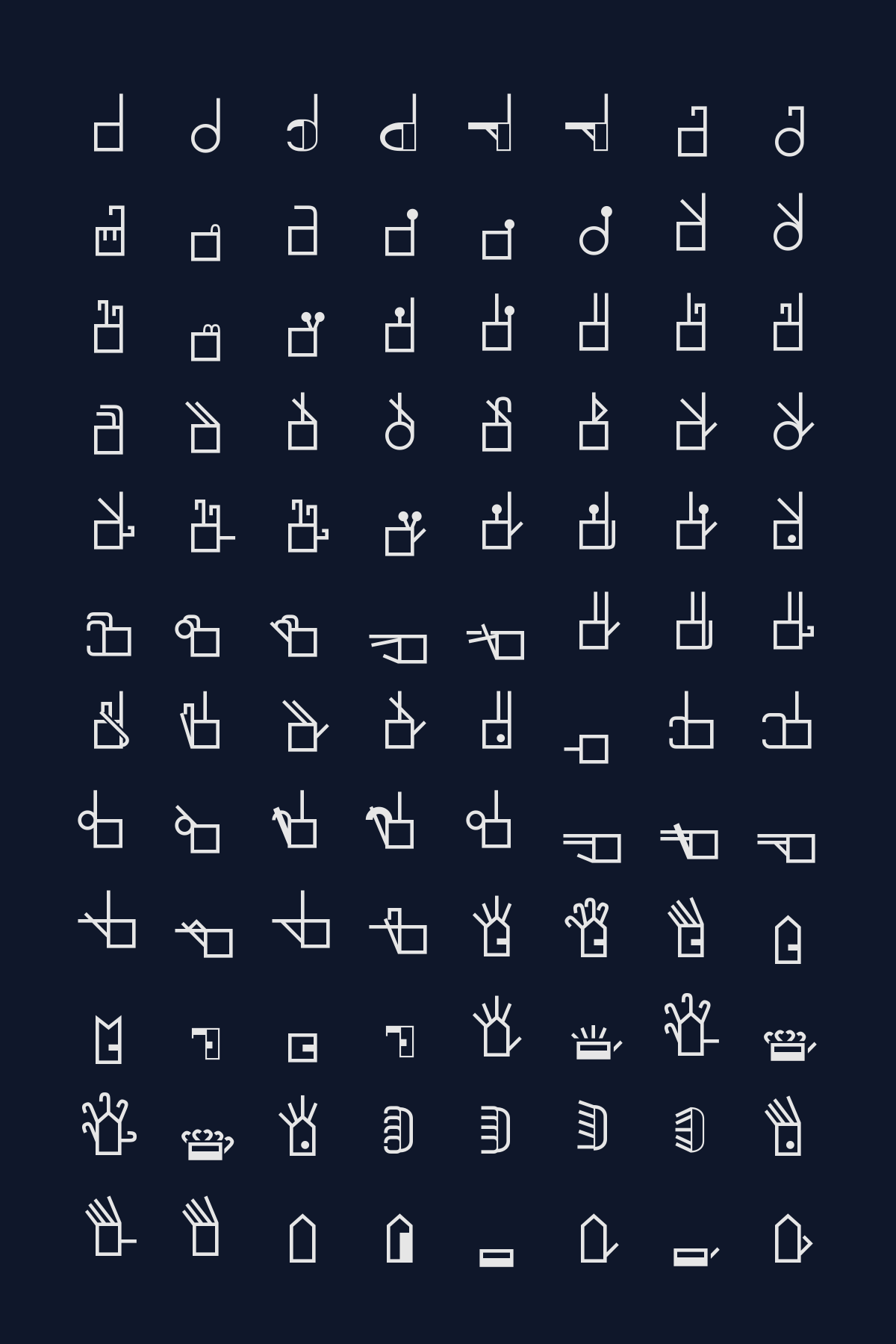
There are more than 7,000 living languages, more than 20,000 dialects (per the Multitree project's linguistic genealogy), hundreds of sign languages, dozens of liturgical languages with active scholarly communities, and entire writing systems that mainstream platforms don't render correctly. None of this is fringe. It represents the past and present for the majority of Earth.
Plaza is built on the opposite assumption to other platforms: every language is a first-class citizen, the structure of the network reflects how languages actually relate to each other, and the technical work to provide universal language support is not just feasible but necessary.
How Plaza approaches it
Precise language tagging
Every post on Plaza carries a "glottocode", a precise identifier drawn from Glottolog's catalog of over 7,000 languages and 20,000 dialects. The language of content is not guessed at, auto-detected, or collapsed to the largest dialect. Short form video will give both sign languages and languages with no standard written form a significant presence online for the first time ever.
Feeds with real connections
Newsfeeds on Plaza can be customized to group any combination of languages and dialects together. Default newsfeeds have been created around language families, geographic regions, and cultural affiliations. You can follow a single language, a whole branch of related languages, or compile the two together into one feed. The structure reflects how languages actually exist in the world.
Read across the gaps
Built-in machine translation lets you follow conversations in languages you don't speak. Translations are cached and shared across users, so the platform gets faster and more complete as it grows. Closely related languages will translate most fluently, which means that entire language families can reach audiences that single small languages alone couldn't.
Historical text in its original form.
A detailed and granular representation of all the world's languages, both living and dead, presents the perfect opportunity to showcase historical works as they were originally written. Simple bots post excerpts from major texts of cultural significance such as the Iliad and this can very easily be extended to a huge corpus of lesser known works. For languages without machine translation support a public domain translation is cached with each post. This makes these posts comprehensible to the entire website, usually via an English language pivot.
In the future more complex bots constructed in the same vein as Talkie-1930 (a 13-billion-parameter language model trained on pre-1931 text) can have knowledge confined to a single language in a single time period or civilization. They will offer an invaluable resource for scholars and learners of these languages with Plaza serving as a rare place on the internet providing this kind of full immersion.
The vision
The world's linguistic and cultural diversity is an evident fact. It's here now, with millions of speakers and signers, in classrooms and homes, at scholarly institutions and underground revival movements. The diversity already exists, now the internet needs to reflect it.
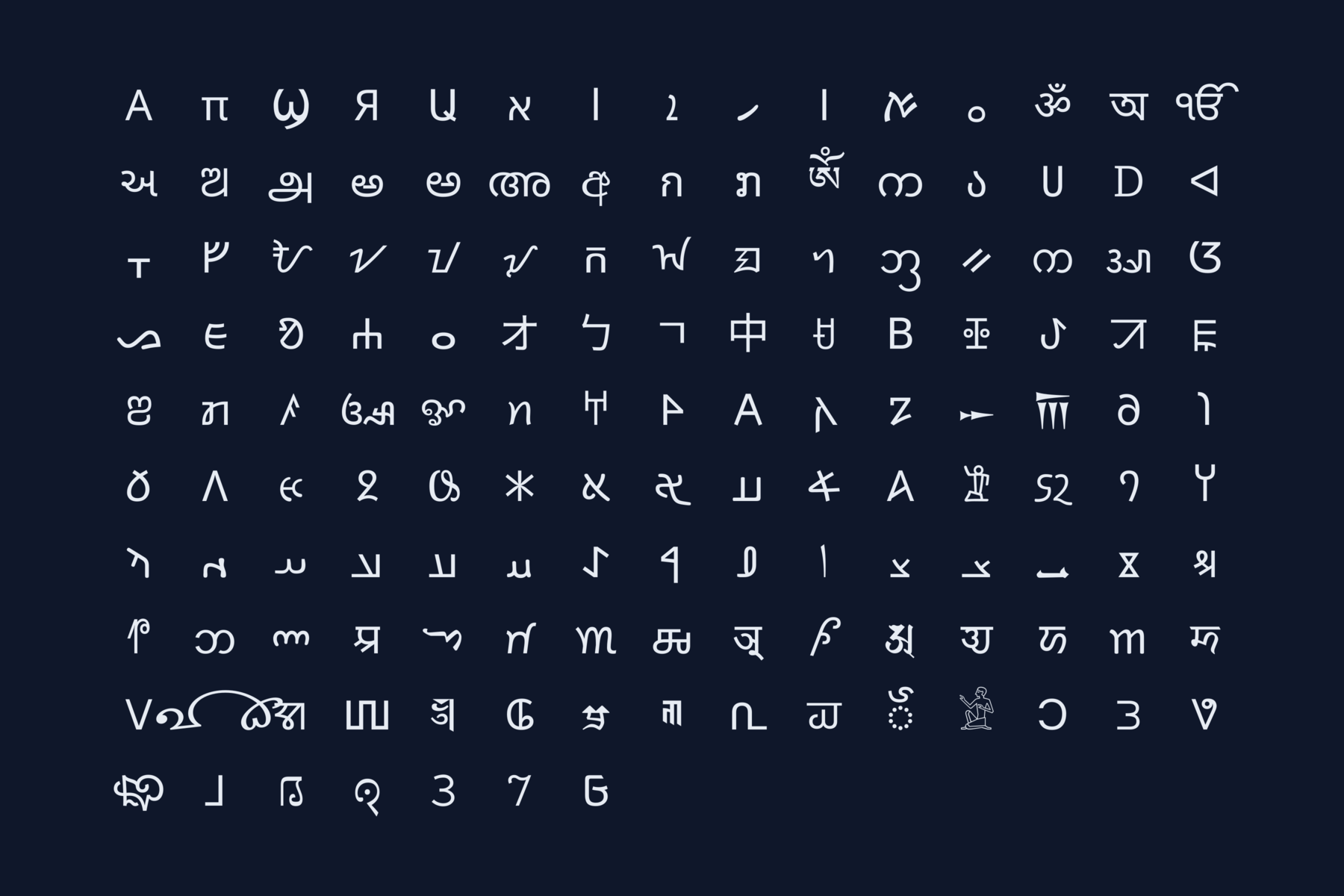
Plaza's long-term goal is to structurally map that diversity in software. All languages with their own place. Every dialect distinguished from its parent when speakers consider it distinct. Any script rendered correctly. Each historical language elevated to reflect its footprint on the world. Feeds designed with the objective relationships between different languages in mind.
This is a long-term project and Plaza in alpha is just the first working version of it. The full vision will be realized through language communities, scholars, linguists, signers, learners, and anyone who cares what the internet should look like. Plaza welcomes input from anyone who wants to follow our work and shape it as it grows.
The sovereign option.
The communities whose languages are least represented online, notably indigenous communities, are often the ones with the most reason to distrust platforms. Words, songs, sacred knowledge, and everyday speech have all been extracted and appropriated by outside institutions before, and a platform that asks these communities to upload everything and trust its privacy promises is asking too much.
Plaza is being built so that privacy won't rest on promises. The architecture allows for chosen sensitive posts to live on hardware the user owns, instead of our central database. Plaza handles only the metadata needed to index and route content, metadata Plaza does hold, and is transparent about; the content itself is served directly to permissioned users. This is guaranteed. Plaza will be structurally unable to read what sits on a server it doesn't host.
Sovereignty doesn't depend on Plaza being well-intentioned or well-run in any given year, it depends on architecture in which Plaza never possesses the content at all. Extraction is prevented by design rather than merely against the rules. It is highly important to communities whose work has been mishandled before, and for anyone else who'd rather avoid their most personal content doubling as a company's asset.
Where things stand
The app is built and running, currently in a closed alpha on iOS and Android. The alpha group is capped at around 100 testers so we can fix issues properly and listen closely before opening up. Multilingual newsfeeds, bots posting from historical texts, and machine translation systems are live and working.
What's coming next: expanded language support, more curated newsfeeds, a beta phase with broader access, and steady progress on the translation infrastructure to bring greater language diversity onto the network. The beta phase will see the personal-server architecture begin rolling out to users.
Stay involved
Whatever your reason for being here — language speaker, signer, learner, researcher, builder, or just curious — there's room for you. Sign up to follow Plaza as it grows. You'll get the occasional honest update on our development progress and which language communities are joining. If you want to be considered for an alpha invitation, you will be. If you just want to know what happens, that's fine too.
For researchers and collaborators
If you work with a specific language community, run a research project on linguistic diversity online, or want to discuss how Plaza could intersect with what you're already building, reach out directly: plaza.admin@proton.me.
© 2026 Plaza · Privacy policy · Terms of service